In Cañaza, on the Osa Peninsula

Casa Barrigones combines a private tropical garden with access to the surrounding area. You can spend time at the house and plan trips out, with Puerto Jiménez approximately 15 minutes away by car.

Nearby

Nearest beach5 minutes by car or 20 minutes on foot

The nearest beach is about five minutes away by car, or around twenty minutes on foot. These are approximate journey times from the house.

Puerto Jiménez15 minutes by car

Puerto Jiménez is about fifteen minutes away by car. Keep this journey in mind when planning outings or arranging to meet a tour provider.

Río Barrigones2 minutes on foot

The Río Barrigones river is about two minutes away on foot. The riverbank is visible from the property, but the house is not directly on the water.

The riverbank is visible from the property, but the house is not directly on the water.

Arriving by car

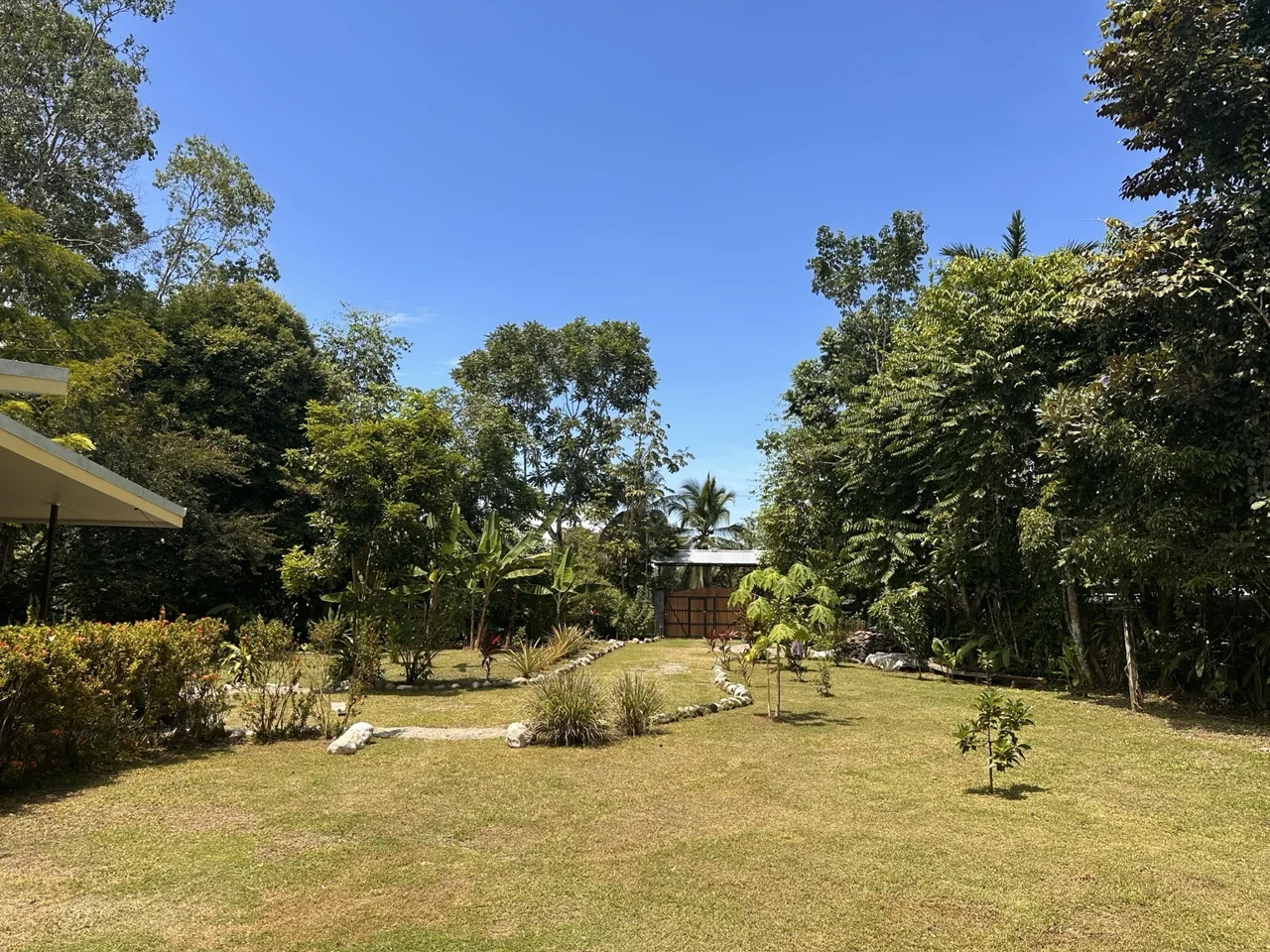
The approach is along a gravel road. A 4×4 is not needed for the usual approach. There is parking for approximately two to three vehicles within the fenced grounds.

Questions about getting here?

Contact Sebastian & Kathrin to discuss your arrival. Transfers may be arranged on request.

Enquire about your stay

Google MapsWaze

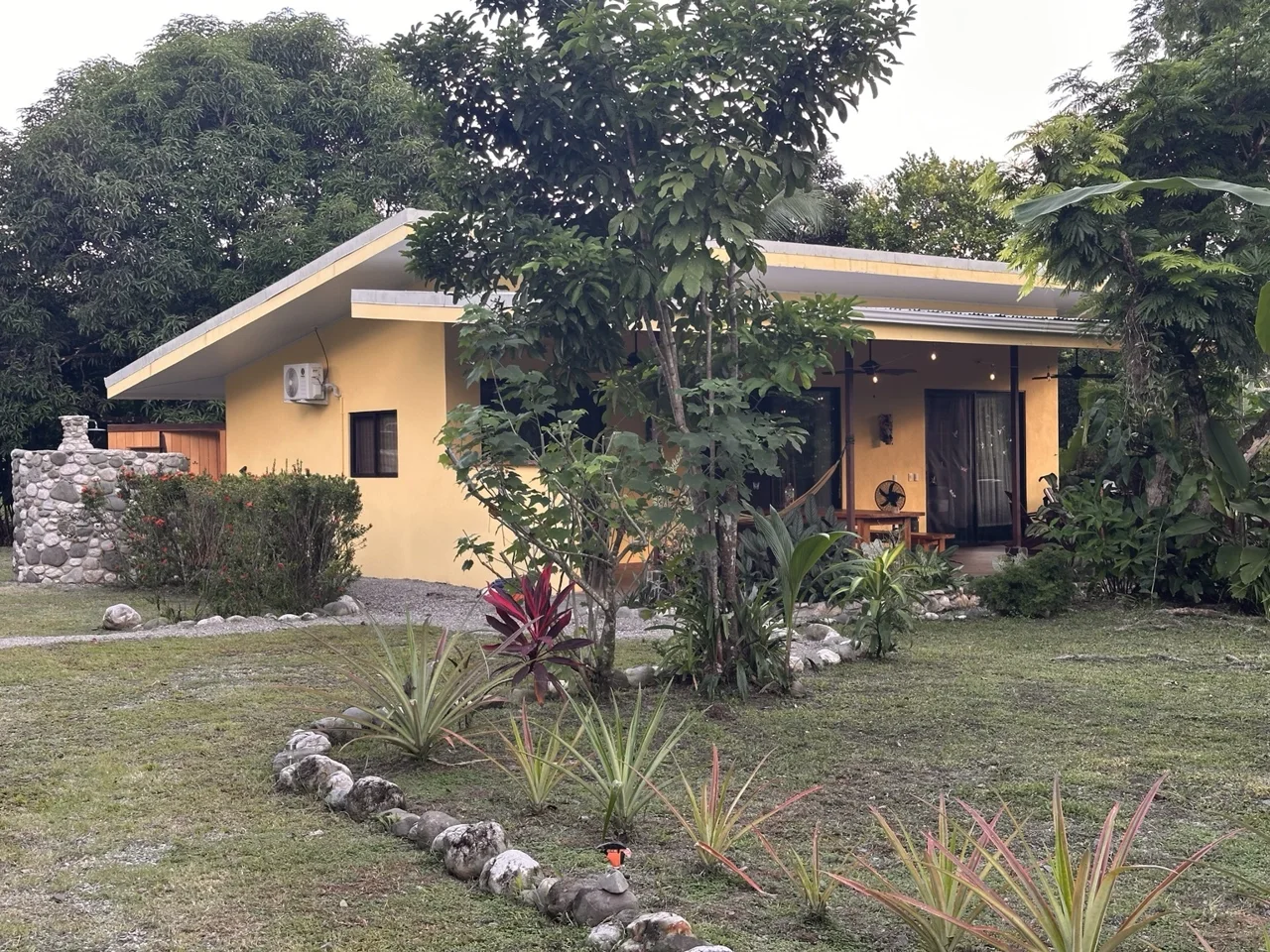
Casa Barrigones and its veranda framed by the garden.Sunny tropical garden with a stone-lined path and entrance gate.

A place to stay for Corcovado and the Osa Peninsula

Casa Barrigones is in Cañaza, around 15 minutes by car from Puerto Jiménez. After a day exploring, return to your own vacation home, covered veranda and tropical garden. Two bedrooms, two bathrooms and a private kitchen welcome up to six guests.

Stories from the peninsula

Discover Osa and Corcovado

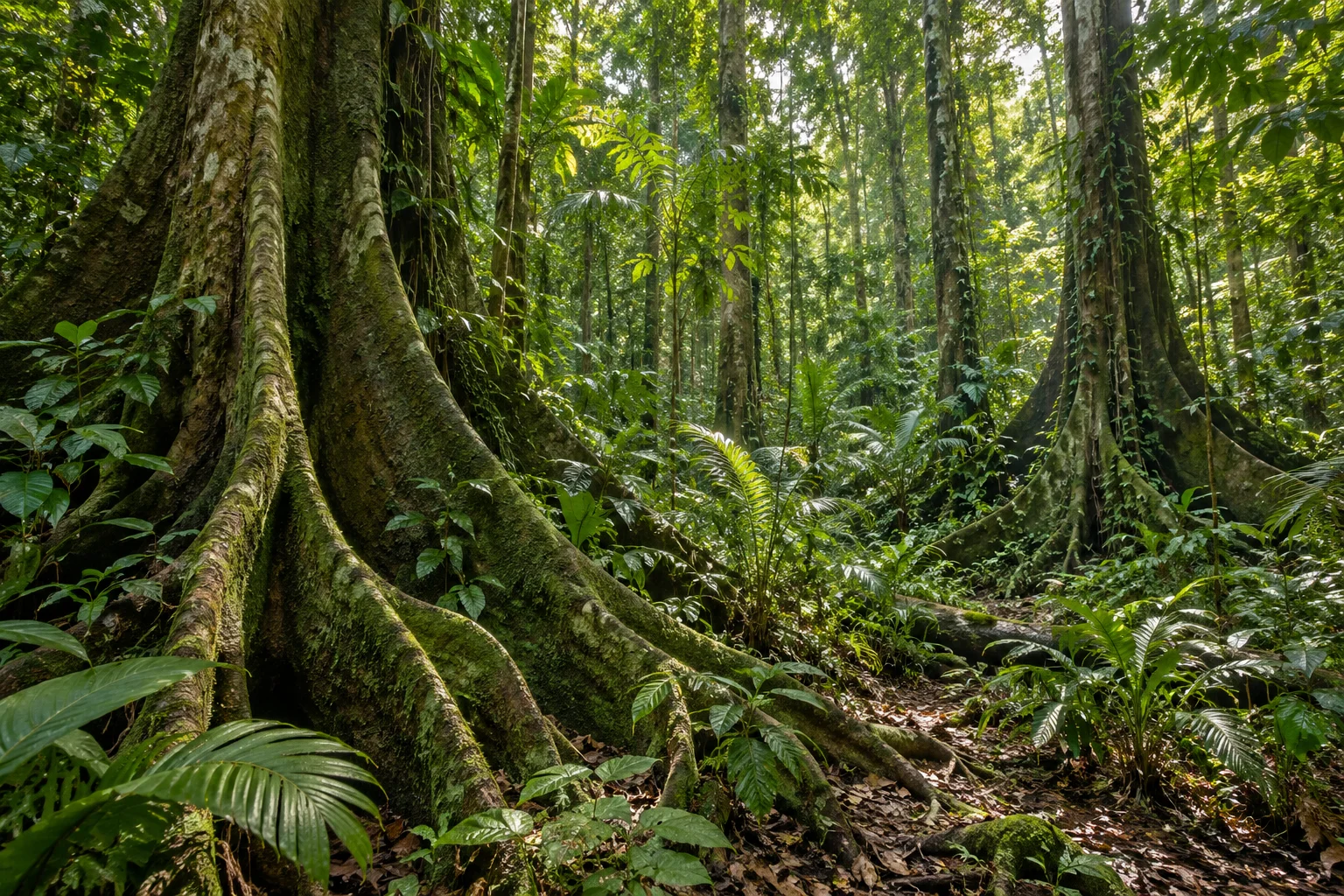
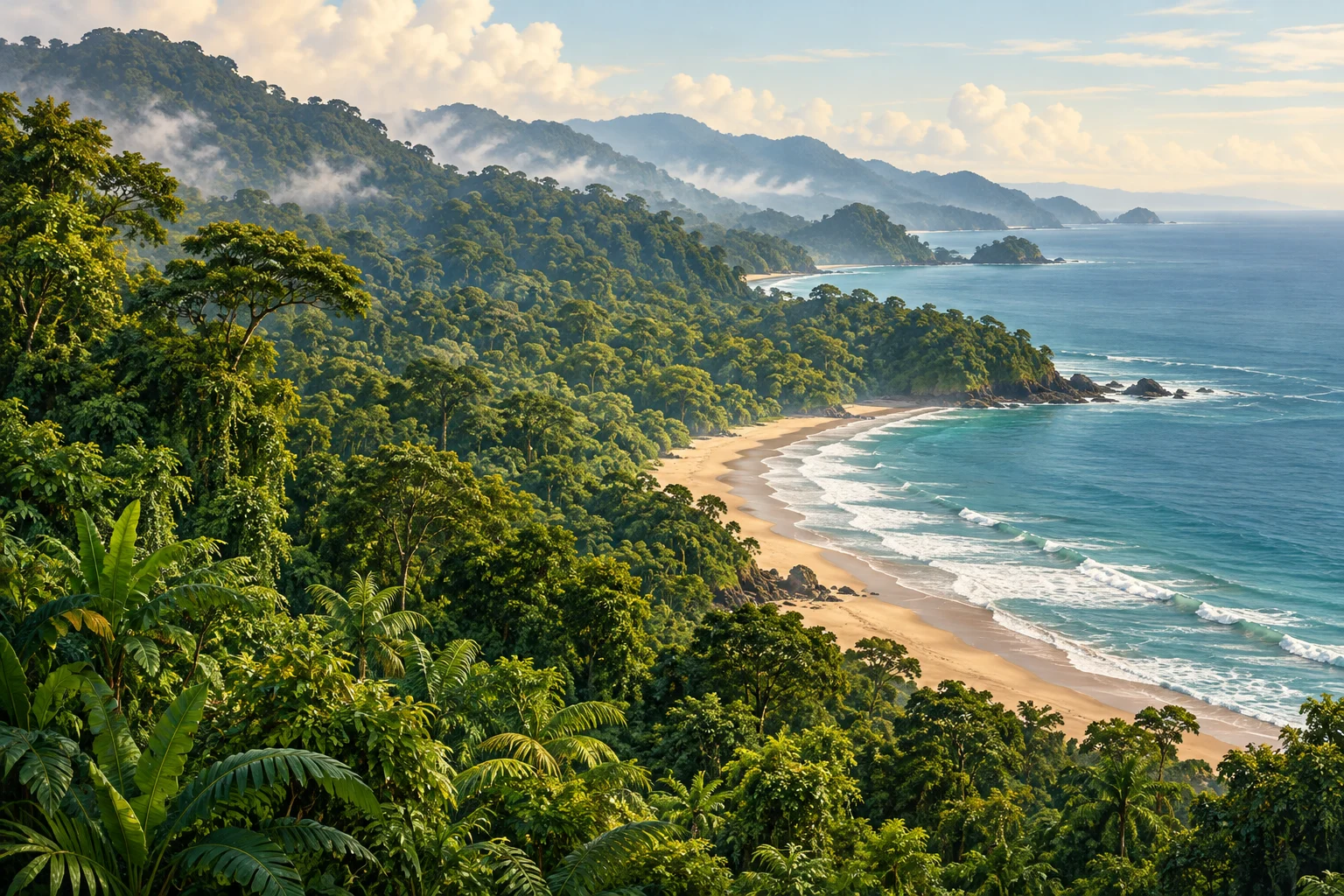
Tall trees and dense greenery in tropical rainforest
AI-generated illustrative image
Conservation

Corcovado: protecting nature since 1975

Corcovado National Park was established in 1975 and expanded in 1980. Located on the Osa Peninsula in southwestern Costa Rica, it is part of the Osa Conservation Area and is managed by SINAC, the country’s conservation authority. For more than five decades, protection has focused on a landscape where forests, rivers and the Pacific coast come together.

Read the full articleShow less

The park also holds traces of life before its creation. In the La Leona sector, the Madrigal trail passes a cemetery used by former residents. Los Planes preserves traces of one of the earliest ranger stations. These places add another dimension to a visit: Corcovado is also a landscape with a human history.

The park’s creation and later expansion mark two important stages in its conservation story. For visitors, the dates are only the beginning: today’s designated sectors offer different ways into the same protected landscape. Returning visitors, or those choosing different tours, can discover more than one side of Corcovado.

A rewarding visit combines curiosity with restraint. Follow the agreed route and take your time instead of trying to collect kilometres or species. Ask your guide about traces of former residents and work in the protected area too. A walk can then become more than a sequence of attractive photographs.

Today, designated trails offer a way to discover this natural heritage. Watch animals from a distance, leave plants and other natural materials where they belong, and carry your rubbish out with you. Allow time to look around and follow your guide’s instructions, making your excursion a respectful visit to a protected habitat.

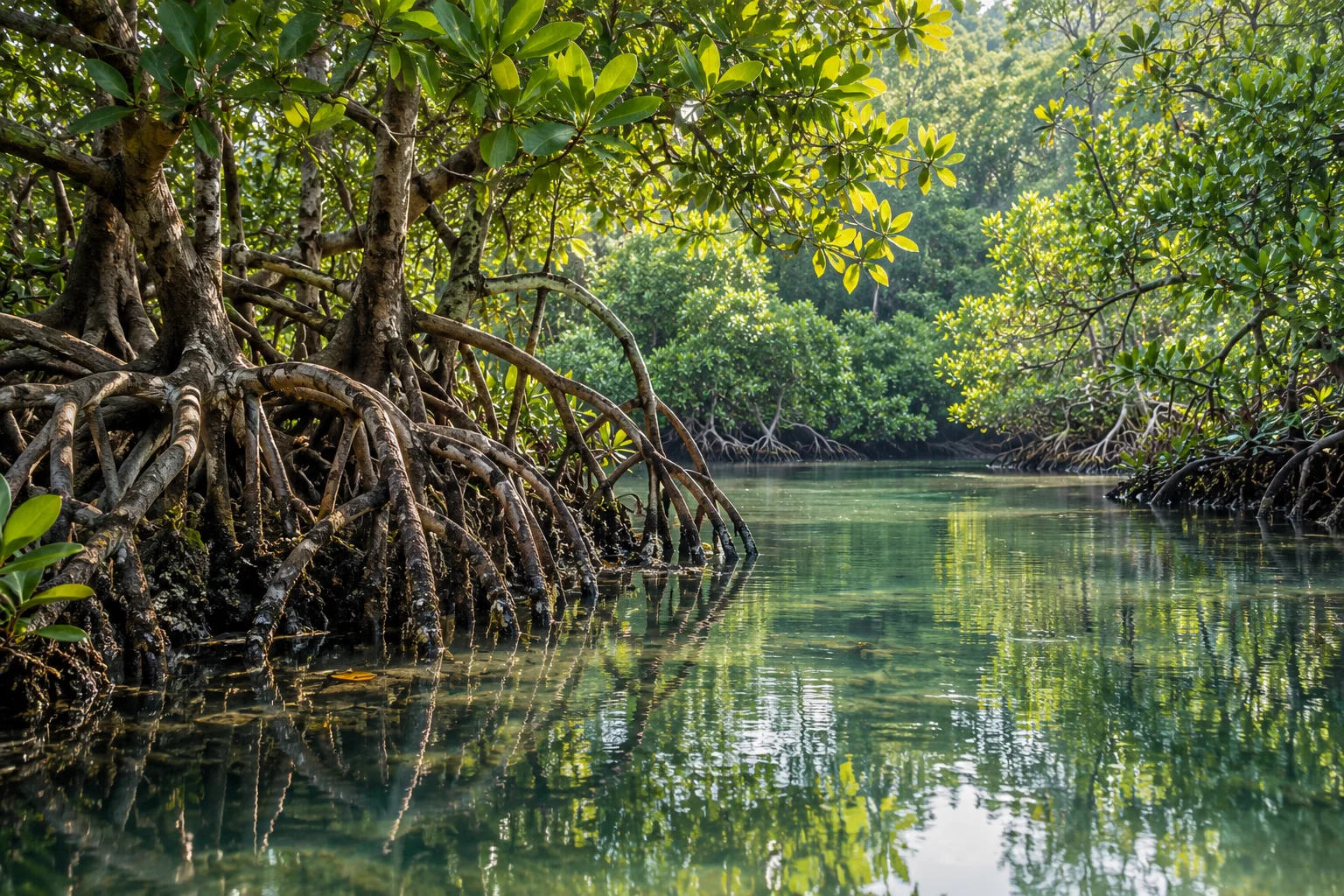
Mangrove roots and reflections in the water
AI-generated illustrative image
Habitats

One park, many habitats

Corcovado is much more than tropical rainforest. The national park also contains mangroves, marshes, shallow lagoons, rivers and beaches. This variety is part of its appeal: different sectors and routes offer different experiences. No single excursion reveals the whole park.

Read the full articleShow less

Each access area has its own character. At La Leona, the Pacific coast shapes the walk. Los Patos opens onto forest with tall trees and the Rincón River. Sirena is a central station with several local trails and can also be reached by sea. When choosing a tour, consider whether you would most like to experience the coast, walk through forest or explore the paths around a station.

Smaller observations deserve attention too: look at leaf shapes, roots beside the path and changes between open and densely vegetated sections. Ask your guide to explain an unfamiliar plant or sound. There is no need to work through a species checklist to appreciate differences between habitats.

When taking photographs, consider landscapes and details alongside possible wildlife encounters. A wide coastal view tells a different story from a close view of the forest. Keep your distance from animals and stay on the trail; a clearer view or closer photograph should never matter more than an undisturbed habitat.

Tapirs and peccaries are among the park’s animals, but encounters cannot be promised. Weather, season and local conditions affect what you may see. Give the landscape your attention too: waterways, different vegetation and the transitions between forest and coast can be just as rewarding as an individual wildlife sighting.

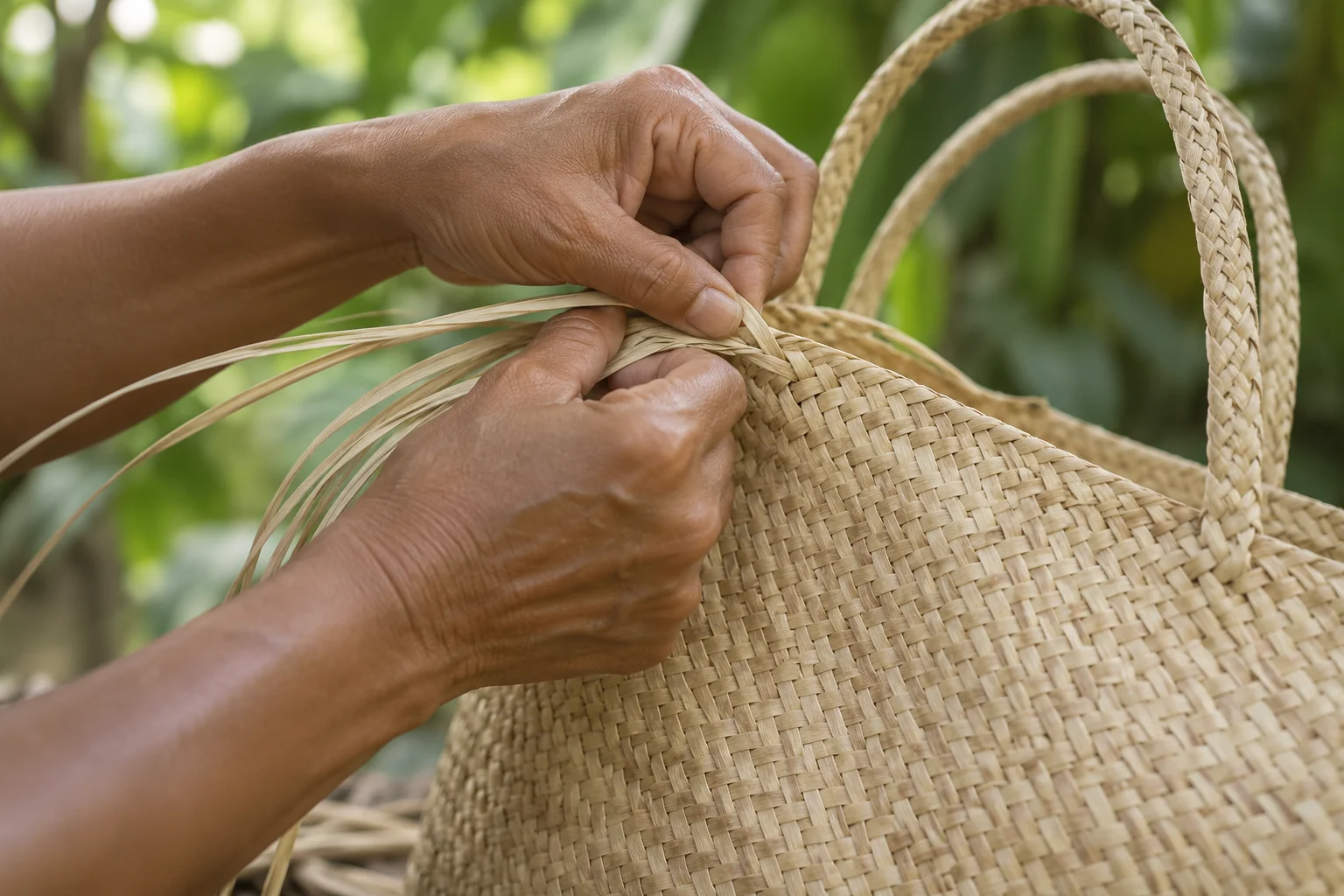
Symbolic image: hands working on a simple fibre bag
AI-generated symbolic image · not a documentary photograph
People & culture

The Ngäbe: Indigenous life on Osa

The Osa Peninsula is also shaped by the people who live here and pass on their culture. Alto Laguna is an Indigenous Ngäbe territory bordering Corcovado National Park and the Golfo Dulce Forest Reserve, with access through the La Palma area. The community describes its territory as a place of particular biological and cultural importance.

Read the full articleShow less

The Ngäbe language is Ngäbere. Cultural expressions include dresses known as naguas, with geometric decorations, and chácaras, handmade carrying bags. These objects also have everyday uses. Knowledge and skills are shared through storytelling, observation and practice together. This is a living culture that continues to develop.

Alto Laguna is a specific community with its own history. It does not represent all Indigenous peoples of southern Costa Rica. Individual Ngäbe territories also have their own experiences and perspectives. When discussing culture, it helps to ask which place and whose experience is being described.

Naguas combine a loose cut and colourful geometric applications with individual choices in design. Chácaras are practical objects, not simply souvenirs for visitors. Our suggestion is to ask about materials, making and everyday use, rather than assuming that a pattern must carry a particular meaning.

Cultural continuity and change belong together. Maintaining traditions does not exclude personal ambitions for education, work and the future. Meet your hosts as people living in the present, who choose for themselves what to share. A good encounter begins with listening and allows space for different life experiences.

Learning about Osa can therefore mean listening to its residents as well as exploring its natural surroundings. Our suggestion: listen, ask open questions and let people explain in their own words what their work and traditions mean to them.

If you would like to meet the community, arrange a visit in advance directly with its representatives. Ask permission before taking photographs and respect private spaces. When buying crafts, ask about the people who made them. A souvenir can then carry a personal story too.

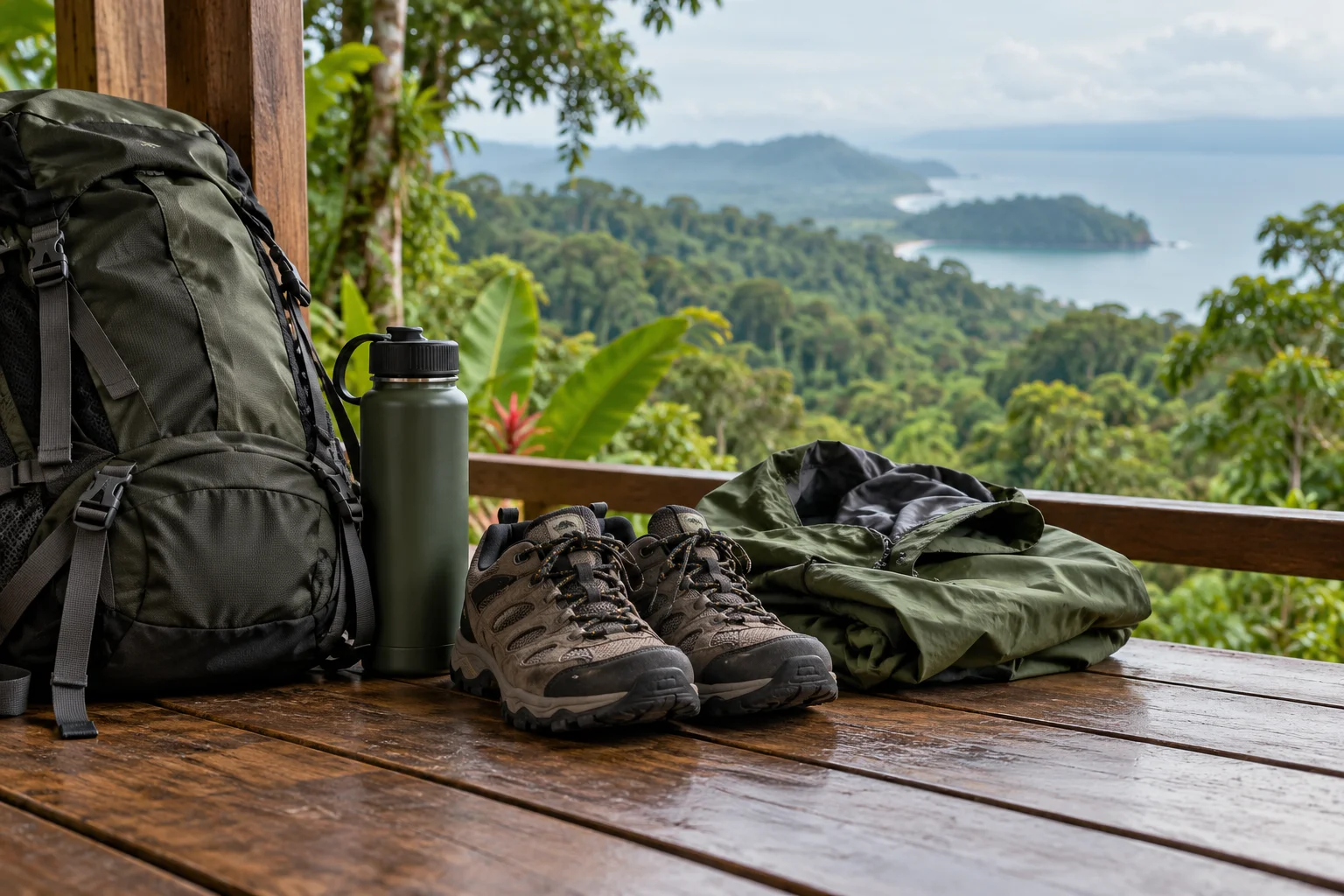
Hiking shoes, backpack, rain jacket and water bottle on a veranda
AI-generated illustrative image
Travel planning

Planning your visit to Corcovado

Corcovado requires an advance reservation. Start by choosing a sector and a tour with a walking commitment that suits you. A day walk and a longer trek to Sirena are different undertakings. We plan your excursion with a local guide and check current access conditions and route feasibility with the operator beforehand.

Read the full articleShow less

The park is hot and very humid, and rain is possible even during the drier season. Prepare lightweight, quick-drying clothing, suitable closed footwear, rain protection and sun protection. Keep your phone and documents protected from moisture. Agree on drinking water, meals and the exact packing list with the operator; Sirena has specific restrictions on bringing food.

Before booking, clarify how much time will be spent walking and how much travelling. Ask about breaks, the expected terrain and any boat journey. Especially with children or limited hiking experience, a specific itinerary is more useful than a general description such as “easy” or “demanding”.

Shortly before your outing, reconfirm the meeting point and that the trip is going ahead, and leave some flexibility in your travel plans. Keep the operator’s contact details and pack the agreed equipment the evening before. Clear arrangements make it easier to focus on the landscape once you are on your way.

We can enquire about La Leona, Sirena or Los Patos for you, whether or not you are staying at Casa Barrigones. Tell us your preferred date, group size, the ages of any children and your hiking experience. We then clarify availability, meeting point, travel arrangements, possible pickup, duration and included services. Before you commit, you will know the planned itinerary and what preparation your chosen tour requires.

Planning your Corcovado visit

You can enquire about several Corcovado tours, including La Leona, Sirena and Los Patos. Departure points, travel arrangements, pickup and duration depend on your chosen tour. We confirm these details and availability with the operator before you commit.

Enquire about your stay
WhatsApp